Okura Hand-Hammered Titanium Pans Review
Hand-hammered titanium, PFAS-free by construction rather than coating, backed for 25 years. A genuinely different answer to the non-stick problem — and one that asks you to relearn how you cook.
- Material
- Hand-hammered titanium
- Coating
- PFAS-free — no synthetic non-stick layer
- Backing
- 25 years
- Heat sources
- Induction to campfire
Reasons to buy
- PFAS-free by material, not by a coating that wears off
- 25-year backing signals real confidence
- Induction through campfire — unusually versatile heat range
- Hand-hammered surface is functional, not decorative
Reasons to avoid
- Not non-stick in the Teflon sense — technique matters
- Premium pricing against conventional pans
- Titanium heats differently; expect an adjustment period
The non-stick pan is a product with an expiry date built in: the coating that makes it work is the coating that wears away, and the PFAS chemistry involved has become a live consumer concern rather than a fringe one. Every alternative — cast iron, carbon steel, stainless — asks you to trade convenience for durability. That leaves an open lane for any material that can promise release without a sacrificial layer, and it explains why this corner of cookware attracts genuinely new engineering rather than incremental tweaks.
Okura's answer is titanium, hand-hammered, with no synthetic coating at all. The material is the surface, which means there is nothing to scratch off into your food and nothing to degrade on a schedule. The 25-year backing is the company betting on exactly that. Few cookware makers volunteer a promise that long, and it reframes the sticker price as a cost spread across decades rather than a splurge.
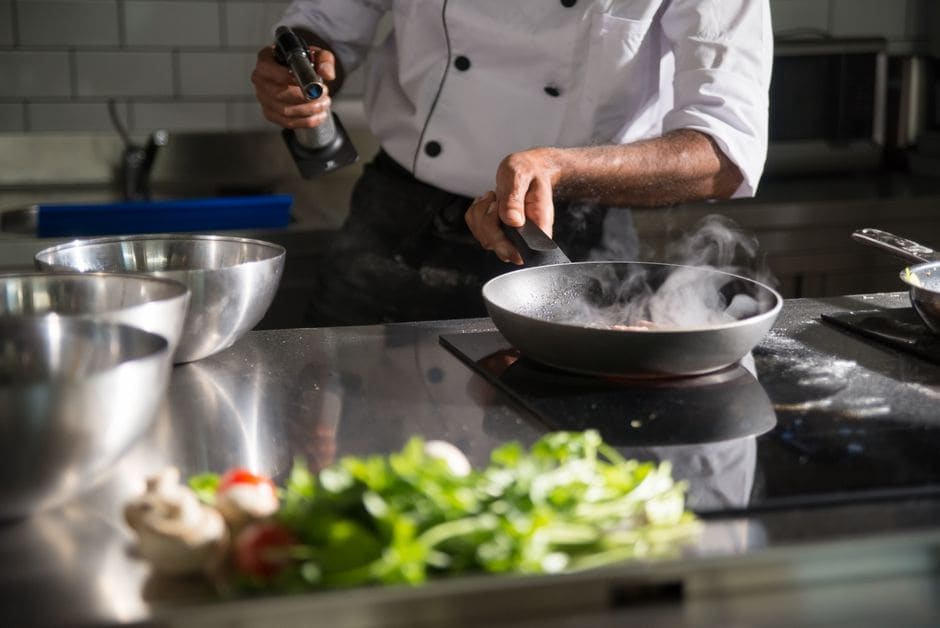
In use it is genuinely versatile — induction hob to open flame — and the hammered surface does functional work rather than serving as decoration. What it is not is non-stick in the way people mean when they say non-stick. Eggs require heat management and fat, the way they do in carbon steel. That's a skill, not a defect, but it's a skill you'll need to acquire.
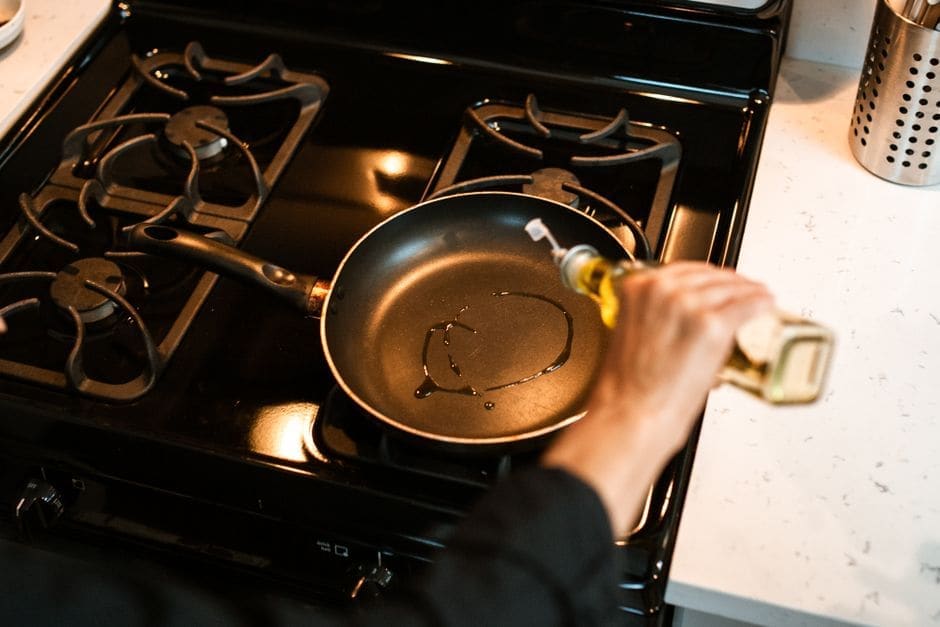
The adjustment period is real but finite, and the skills are the same ones every uncoated pan asks for: preheat properly before food goes in, use an amount of fat that respects physics rather than wishful thinking, and let proteins release on their own schedule instead of prying at them. Cooks who already own carbon steel or stainless will feel at home almost immediately; cooks coming straight from coated non-stick should expect a stretch of relearning — and should know those habits improve their cooking in every other pan they own. The reward for the effort is a surface that behaves the same on the first day and the thousandth, because there's nothing on it to wear away.
Against the alternatives, the case comes down to weight and worry. Cast iron does much of the same work but is heavy and asks for seasoning vigilance; stainless is durable but was never trying to release food; conventional non-stick releases perfectly until its coating doesn't. Titanium's pitch is a light, tough pan with nothing to wear off and nothing to baby — the buy-once shopper's answer, and a natural fit for anyone whose concern about coating chemistry is the reason they're shopping in the first place.
So the recommendation, plainly: if you want to put a cold egg in a cold pan and have it slide out, buy a conventional non-stick and replace it every few years. If you want a pan you'll hand down, with no coating chemistry to think about, and you're willing to learn its behaviour — this is one of the more interesting answers on the market. Either choice is legitimate; what doesn't work is buying this pan and expecting the other one.
How we tested
The Okura Hand-Hammered Titanium Pans was scored against the same written rubric we apply to every Cookware product — real-world performance, build quality, ease of use, upkeep and value. Full protocol on our How We Test page.