
Sheet Pans: Buy the Restaurant Ones Review
The single best value in any kitchen. Commercial aluminium half-sheet pans cost a fraction of the retail versions, perform better, and last indefinitely. Buy four and never think about them again.
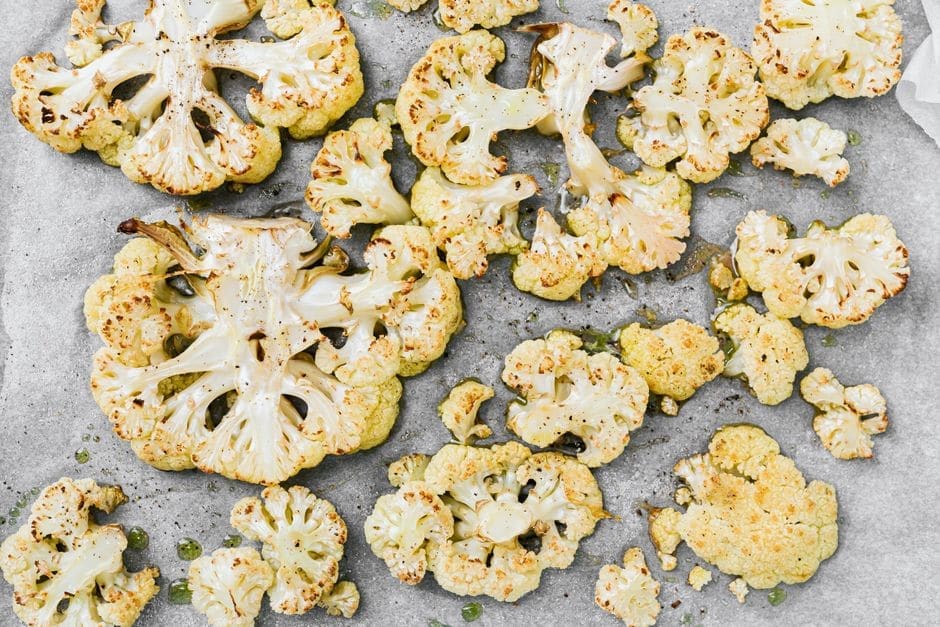
- Category
- Half-sheet pans, commercial aluminium
- Standard size
- Half-sheet — fits domestic ovens
- Cost
- A fraction of branded consumer bakeware
Reasons to buy
- Commercial pans cost less than consumer-branded equivalents
- Heavy-gauge aluminium won't warp under high heat
- Standard sizing fits every home oven and cooling rack
- Effectively unlimited lifespan
Reasons to avoid
- They discolour — permanently, and it doesn't matter
- Not non-stick; use parchment or a silicone mat
- Bare aluminium isn't dishwasher-friendly long term
Here is a rare piece of kitchen advice that involves spending less: buy the aluminium half-sheet pans that restaurants use rather than the branded consumer bakeware sold at four times the price, and you will get a better product. The branded versions add colours, coatings and lifetime-look promises; the commercial ones add metal. Only one of those helps dinner. It's the same logic as restaurant glassware and hotel towels: products bought by people who repurchase on function have already been optimised for you.
The reason is that commercial pans are optimised for the only things that matter — heavy-gauge aluminium that conducts evenly and doesn't warp when a hot pan meets a cold surface. Thin consumer pans buckle audibly in a hot oven and cook unevenly forever after. Rolled rims keep commercial pans flat for years, and give you a grab point for a towel that isn't the food. Warping isn't just noise, either — a bowed pan pools oil at one end and leaves the row of vegetables at the other end cooking dry.
They will discolour. Within a few months a well-used pan looks nothing like the photograph, and this is entirely cosmetic — bakers regard a darkened pan as broken in rather than worn out, and the patina even helps at the margin, browning a touch more assertively than bright new metal. If you need your bakeware to look new, this is the wrong recommendation and also an expensive preference.
The reason to buy four rather than two is workflow, not indulgence. Batch cooking works when one pan loads while another is in the oven; cookies stop being a bottleneck when trays rotate; a pair dedicated to roasting keeps garlic and oil away from delicate baking. Add a wire rack that nests inside and the same pan covers resting meat, glazing, and crisping jobs a plate can't do. Half-sheet is the size to standardise on because everything around it — racks, cooling grids, parchment sold pre-cut — assumes it. One pan roasts the vegetables while another catches drips under a rack, and a third is already lined for the next batch; that's the workflow a single precious pan can't offer.
What to skip in the same aisle: coated 'non-stick' bakeware, where the coating is the part that fails and parchment already does the job better; and dark-finished pans, which run hotter at the surface and brown edges before centres catch up. Plain, heavy, uncoated aluminium is the entire specification. Both failure modes show up exactly when it matters — under the holiday roast, beneath the batch of cookies.
Practical notes: use parchment or a silicone mat rather than expecting release from bare metal, and hand wash rather than dishwash — detergent dulls aluminium, which is cosmetic, but there's no reason to hurry it. Beyond that there is nothing to maintain, replace or think about, which is precisely the appeal — and if one somehow does get dented beyond use, replacing it costs lunch money, which is the final argument for the category.
How we tested
The Sheet Pans: Buy the Restaurant Ones was scored against the same written rubric we apply to every Bakeware product — real-world performance, build quality, ease of use, upkeep and value. Full protocol on our How We Test page.