Instant-Read Thermometers: The Cheapest Skill Upgrade Review
The tool that converts guesswork into knowledge. Nothing else in this price bracket improves cooking outcomes as reliably — and it does it by removing the single biggest source of ruined meat.
- Category
- Instant-read digital thermometers
- What matters
- Read speed and accuracy, not features
Reasons to buy
- Removes the guesswork that overcooks expensive meat
- Fast models read in seconds — no oven-door heat loss
- Useful far beyond meat: bread, custard, oil, dough
- Good ones cost less than one ruined roast
Reasons to avoid
- Very cheap models are slow and inaccurate — worse than useless
- Batteries die at inconvenient moments
- Probe needs proper cleaning between uses
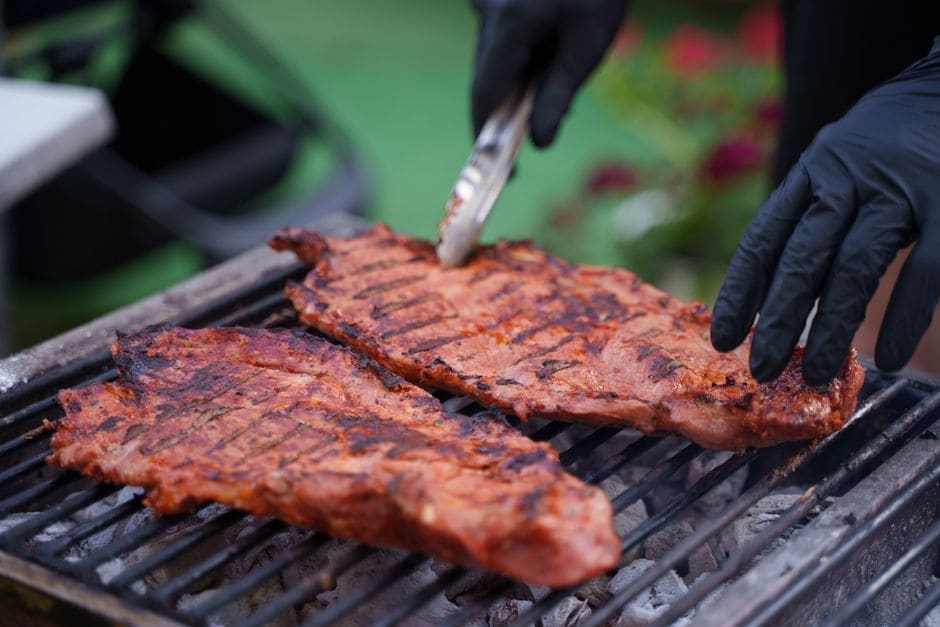
A roast chicken comes out dry for one reason far more often than any other: the cook estimated doneness by time, colour or the wobble test, and estimation across a variable-weight bird in a variable oven is guessing with expensive ingredients. Colour lies with brined or smoked meat, timing lies with anything that went in cold, and the wobble test mostly measures confidence. The recipe was fine. The guess wasn't.
An instant-read thermometer replaces the guess with a number, and the effect on results is immediate and permanent. Meat comes off at the temperature you chose rather than the temperature it happened to reach. Bread gets pulled when the crumb is set rather than when the crust looks right. Frying oil sits where the recipe says. The effect compounds, too: once you trust the number, you stop opening the oven to peek, and the oven holds steady instead of cycling. Sunday roasts stop being the anxious event where everyone hovers, and midweek pork stops being cooked to leather 'just in case'.
It also unlocks the technique cookbooks quietly assume you know: pulling food before its target, because heat keeps moving inward while meat rests. Without a number that's an act of faith; with one it's routine — the roast comes off early, coasts to done on the counter, and stays juicy instead of overshooting. It's the difference between following recipes and understanding them. The same logic scales down: a thin fish fillet overshoots in the time it takes to fetch a plate, and knowing that changes when you reach for one. Resting isn't optional garnish either — it's the tail end of the cooking, and the number is what lets you plan for it.
The one specification that matters is read speed. A cheap thermometer that takes fifteen seconds means the oven door is open for fifteen seconds and the reading is a compromise; a fast one reads in two or three. Accuracy claims are broadly similar across reputable brands — speed is what separates the useful from the frustrating. Features beyond that — backlights, magnets, hold buttons — are pleasant, and none of them rescue a slow probe.
Using it well takes one sentence of instruction: probe the thickest part, stay away from bone, and check a second spot on anything large or unevenly shaped. The other habit worth building is hygiene — the probe touches raw meat and then, if you're careless, everything else. Cleaning it properly between raw and cooked is the only maintenance the tool asks for. None of this demands precision culture — one probe, one number, dinner.
Buy a mid-priced fast model rather than the cheapest option, keep spare batteries in the same drawer, and expect it to outlast several of the appliances around it. It is the least glamorous purchase on this entire site and probably the one that changes the most meals. If someone in your life cooks and doesn't own one, you've also just solved a gift — small, useful, and impossible to already have too many of.
How we tested
The Instant-Read Thermometers: The Cheapest Skill Upgrade was scored against the same written rubric we apply to every Small Appliances product — real-world performance, build quality, ease of use, upkeep and value. Full protocol on our How We Test page.